
Starlink Slashes Prices Across 12 Countries as Satellite Internet War Intensifies in 2026
Industry analysts predict major shift in global connectivity landscape as SpaceX responds to mounting competition
By Sarah Mitchell, Technology Correspondent
Published: January 3, 2026 | Updated: 6:45 AM EST
HAWTHORNE, CALIFORNIA — In a strategic move that signals intensifying competition in the satellite internet sector, SpaceX’s Starlink has announced substantial price reductions across 12 countries, effective immediately. The cuts, ranging from 15% to 40% depending on the region, come as traditional telecommunications providers scramble to respond to the disruptive technology that has already captured more than 4 million subscribers worldwide.
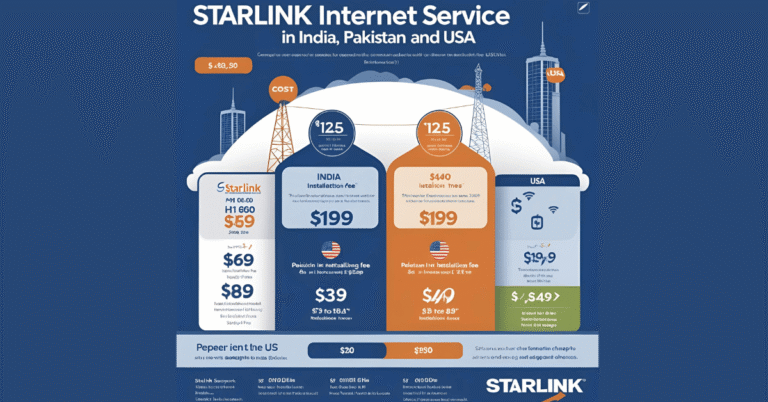
The announcement, made via email to existing customers and posted on regional Starlink websites Thursday evening, marks the most aggressive pricing strategy since the service’s commercial launch in 2020. Monthly subscription fees in select European markets have dropped from €60 to €45, while customers in Southeast Asian nations are seeing reductions from $99 to $69 per month.
Market Disruption Accelerates
“This isn’t just a promotional discount—it’s a fundamental repricing of satellite internet services,” said Dr. Marcus Chen, telecommunications analyst at Global Connectivity Research. “Starlink is leveraging its scale advantages now that it has over 5,400 operational satellites in low Earth orbit. The cost-per-subscriber economics have improved dramatically.”
The price cuts affect customers in France, Germany, Poland, Portugal, Romania, Chile, Brazil, Philippines, Thailand, Malaysia, New Zealand, and Nigeria. Industry sources suggest additional countries may be added to the list as early as February 2026.
Traditional internet service providers, already struggling with infrastructure limitations in rural and remote areas, now face an even more formidable competitor. Shares of major ISPs dropped an average of 3.7% in Friday morning trading following the announcement, according to market data from Yahoo Finance.
Competitive Landscape Shifts
The timing of Starlink’s move appears calculated. Amazon’s Project Kuiper is scheduled to launch its first commercial satellites in Q2 2026, while OneWeb has been steadily expanding its coverage footprint across Europe and Asia. Both competitors have been aggressively pursuing regulatory approvals and building ground infrastructure.
“SpaceX is making a land grab before the competition arrives in force,” explained telecommunications consultant Jennifer Martinez. “By establishing strong subscriber bases at these lower price points, they’re creating significant switching costs and brand loyalty that will be difficult for newcomers to overcome.”
The company has also introduced a tiered pricing structure in several markets. A new “Starlink Lite” option, priced at $49 per month with speeds up to 100 Mbps, targets price-sensitive customers who previously couldn’t afford the premium service. The standard tier continues to offer speeds between 150-300 Mbps, with a high-performance option delivering up to 500 Mbps for $299 monthly.
Technology Improvements Drive Economics
SpaceX’s ability to reduce prices stems from several technological and operational improvements implemented over the past 18 months. The deployment of Generation 3 satellites, which feature more powerful transponders and advanced laser inter-satellite links, has increased capacity while reducing per-unit costs.
Manufacturing efficiency gains at the company’s Redmond, Washington facility have cut production costs for user terminals by approximately 50% since 2023. The latest generation of Starlink dishes, released in November 2025, retail for $299—down from the original $499—while delivering superior performance in challenging weather conditions.
“We’ve achieved economies of scale that were impossible to predict three years ago,” noted a SpaceX spokesperson in a prepared statement. “These savings are being passed directly to consumers as we work toward our mission of providing high-speed internet access to underserved communities worldwide.”
Regional Impact Analysis
The price reductions carry particular significance for developing markets where traditional broadband infrastructure remains limited. In Nigeria, where less than 15% of rural areas have access to reliable high-speed internet, the new pricing could accelerate digital transformation initiatives.
Government officials in the Philippines welcomed the announcement, noting that it aligns with national broadband expansion goals outlined in the 2025 Digital Infrastructure Act. “Affordable satellite internet can leapfrog decades of infrastructure development,” said Communications Secretary Rafael Santos during a press conference in Manila.
However, regulatory challenges persist in several key markets. India’s telecommunications authority continues to deliberate on spectrum allocation and licensing requirements for satellite internet providers. Similar regulatory reviews are ongoing in Indonesia, Pakistan, and several African nations.
For consumers wondering about Starlink’s global connectivity capabilities and future expansion plans, the company continues to expand coverage worldwide with its growing satellite constellation.
Competitor Response Anticipated
Industry observers expect competitive responses within weeks. OneWeb, backed by a consortium including Bharti Airtel and the UK government, has hinted at its own pricing announcements scheduled for late January. The company’s executive chairman, Neil Masterson, characterized the market as “dynamic and increasingly customer-focused.”
Amazon has remained publicly silent on Project Kuiper pricing but is widely expected to undercut Starlink in select markets when commercial service launches. The e-commerce giant has committed $10 billion to the satellite internet venture and benefits from existing relationships with millions of Prime subscribers.
Traditional telecommunications companies are also adapting. Verizon and T-Mobile have both expanded their fixed wireless access offerings in the United States, leveraging 5G infrastructure to compete with satellite providers in suburban and exurban markets.
Customer Reaction and Service Quality
Early reaction from existing Starlink customers has been overwhelmingly positive, though some long-term subscribers have questioned why the reductions weren’t applied retroactively. The company has indicated that current customers in affected countries will automatically receive the reduced rates on their next billing cycle.
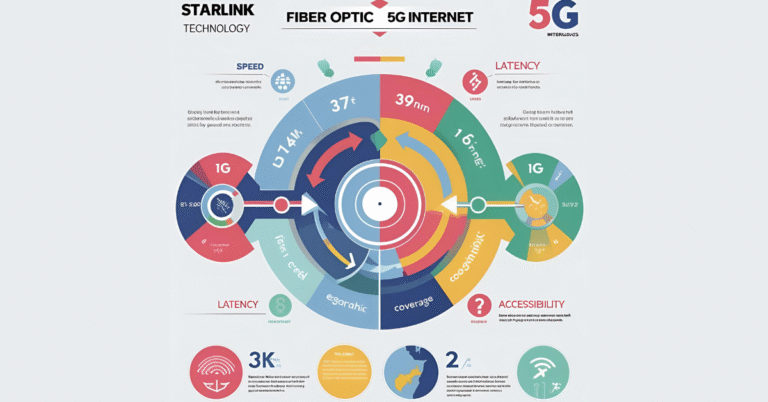
Service quality metrics published by independent testing firm Ookla show Starlink maintaining median download speeds of 175 Mbps globally during Q4 2025, with median latency of 35 milliseconds. These figures compare favorably to satellite competitors and many terrestrial broadband options in rural areas.
However, customer support remains a concern. Online forums reflect ongoing frustration with response times for technical issues and equipment replacements. The company has announced plans to open regional support centers in Europe and Asia during 2026 to address these concerns.
Future Outlook
Market research firm Strategic Satellite Analytics projects that the price reductions could help Starlink capture an additional 2 million subscribers during the first half of 2026. The firm’s senior analyst, David Kowalski, estimates that SpaceX could achieve profitability in its satellite internet division by Q3 2026 if subscriber growth continues at current trajectories.
“The unit economics finally make sense at scale,” Kowalski noted in a research report published Friday. “With launch costs continuing to decline through Starship development and satellite production becoming increasingly automated, Starlink has achieved what many analysts thought impossible just three years ago.”
Environmental groups continue to monitor the expansion with concern, citing the growing number of satellites in low Earth orbit and their impact on astronomical observations. SpaceX has implemented mitigation measures including darker satellite coatings and sun visors to reduce light pollution effects on ground-based telescopes.
The company has also faced questions about space debris and collision risks as the constellation grows toward its approved capacity of 42,000 satellites. SpaceX maintains that its automated collision avoidance systems and rapid deorbiting capabilities exceed industry standards.
What This Means for Consumers
For consumers in affected markets, the price reductions represent a significant opportunity to access high-speed internet without the constraints of traditional infrastructure. Rural residents, remote workers, and mobile users stand to benefit most from the improved affordability.
Experts recommend that potential customers carefully evaluate their specific needs against Starlink’s capabilities. While the service excels in areas lacking alternatives, urban and suburban users with access to fiber optic connections may still find traditional options more cost-effective when factoring in installation fees and equipment costs.
As the satellite internet market matures, continued price competition and service improvements appear inevitable. For consumers, that means better options and increased leverage in choosing connectivity solutions that meet their specific requirements.
Sources: SpaceX official announcements, Global Connectivity Research, Strategic Satellite Analytics, Ookla speed test data, industry analyst interviews